Dennis Reinhart
.....
I was asked to post something up about PCV systems, the Marauder has a unique design the PCV valve in our car is not a check valve, as older PCV valves were. Below is how the older PCV works

PCV systems can be described as either open or closed. The two systems are quite similar. However, the closed system in use since 1968 is more effective at air pollution control. The systems differ in the manner in which fresh air enters the crankcase and excessive vapor is expelled.
Open PCV Systems
The open system draws fresh air though a vented oil filler cap, usually chrome plated in restored cars. This works fine as long as the vapor volume is minimal and when the engine is running. However, when the crankcase vapor becomes excessive - or when the engine is shut off - it is forced back through the vented oil filler cap and into the open atmosphere. The open PCV system, though successful at removing contaminated vapors from the crankcase, is not completely effective as a pollution control device.
Closed PCV Systems
The closed PCV system draws fresh air from the air filter housing. The oil filler cap in this system is NOT vented. Consequently, excess vapor will be carried back to the air filter housing and from there into the intake manifold. The closed system prevents vapor, whether normal or excessive, from reaching the open atmosphere. The closed system is very effective as an air pollution control device.
The PCV Valve - More Complicated Than You Think
The purpose of the PCV valve is to meter the flow of the vapor from the crankcase to the intake manifold. This is necessary in order to provide proper ventilation for the crankcase, while not upsetting the fuel/air mixture for combustion.
Blow-by gases and vapor should be removed at about the same rate they enter the crankcase. Since blow-by is minimal at idle and increases during high speed operation, the PCV valve must control the flow of vapor accordingly. The PCV valve is designed to compensate for the engine ventilation needs at varying engine speeds. It is operated by manifold vacuum, which increases or decreases as engine speeds and loads change.
For example, at low or idle engine speeds manifold vacuum is high. This pulls the plunger to the extreme forward position, or manifold end of the valve. Due to the shape of the plunger, vapor flow is reduced to a minimum. The low rate of the flow is adequate for ventilation purposes and will not upset the fuel/air mixture ratio.
The Marauder is designed totally different, there has been talk of oil separators in my opinion there not needed on a N/A Marauder, but it is not a bad idea, but you absolutely do not want to use a stock Marauder PCV valve in a centrifugal supercharger set up, here is how it works on a Marauder air is sucked out of the crank case by engine vacuum at the upper intake, on the passenger side of the engine through the PCV, now fresh air is sucked through the Maf and a tube comes off the bellows going the the TB on the drivers side and goes to the drivers side valve cover, this what they call a closed PCV system this is metered air so if you delete the PCV system it will have a effect on fuel economy, on High RWHP cars they can care less and they do remove it and run vents on both valve covers and or run a catch can, the purpose for that is to collect oil and keeping it from going all over the engine and exhaust.
If you install a Vortech every line attached to the intake will see boost, so at WOT you would be blowing boost in the crank case, that is why I reversed the PCV system on the Marauder, I run a EV111 PCV valve that is designed to blow closed under boost, this goes in on the drivers side, I route a Fuel line that will not collapse under vacuum, I connect that to the intake with a adapter that comes in my kit, I then run the OEM PCV to the intake of the SC keeping the PCV system intact.
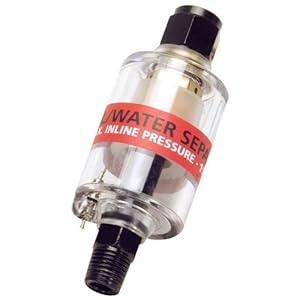
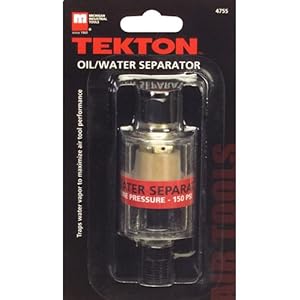
Now here is a very simple oil separator I have been using for years, and it can be used on N/A cars as well as S/C cars this is very easy to install as well as clean. So today I put this together if there is a enterest for this I will do this as a group buy if not it makes for nice reading.


PCV systems can be described as either open or closed. The two systems are quite similar. However, the closed system in use since 1968 is more effective at air pollution control. The systems differ in the manner in which fresh air enters the crankcase and excessive vapor is expelled.
Open PCV Systems
The open system draws fresh air though a vented oil filler cap, usually chrome plated in restored cars. This works fine as long as the vapor volume is minimal and when the engine is running. However, when the crankcase vapor becomes excessive - or when the engine is shut off - it is forced back through the vented oil filler cap and into the open atmosphere. The open PCV system, though successful at removing contaminated vapors from the crankcase, is not completely effective as a pollution control device.
Closed PCV Systems
The closed PCV system draws fresh air from the air filter housing. The oil filler cap in this system is NOT vented. Consequently, excess vapor will be carried back to the air filter housing and from there into the intake manifold. The closed system prevents vapor, whether normal or excessive, from reaching the open atmosphere. The closed system is very effective as an air pollution control device.
The PCV Valve - More Complicated Than You Think
The purpose of the PCV valve is to meter the flow of the vapor from the crankcase to the intake manifold. This is necessary in order to provide proper ventilation for the crankcase, while not upsetting the fuel/air mixture for combustion.
Blow-by gases and vapor should be removed at about the same rate they enter the crankcase. Since blow-by is minimal at idle and increases during high speed operation, the PCV valve must control the flow of vapor accordingly. The PCV valve is designed to compensate for the engine ventilation needs at varying engine speeds. It is operated by manifold vacuum, which increases or decreases as engine speeds and loads change.
For example, at low or idle engine speeds manifold vacuum is high. This pulls the plunger to the extreme forward position, or manifold end of the valve. Due to the shape of the plunger, vapor flow is reduced to a minimum. The low rate of the flow is adequate for ventilation purposes and will not upset the fuel/air mixture ratio.
The Marauder is designed totally different, there has been talk of oil separators in my opinion there not needed on a N/A Marauder, but it is not a bad idea, but you absolutely do not want to use a stock Marauder PCV valve in a centrifugal supercharger set up, here is how it works on a Marauder air is sucked out of the crank case by engine vacuum at the upper intake, on the passenger side of the engine through the PCV, now fresh air is sucked through the Maf and a tube comes off the bellows going the the TB on the drivers side and goes to the drivers side valve cover, this what they call a closed PCV system this is metered air so if you delete the PCV system it will have a effect on fuel economy, on High RWHP cars they can care less and they do remove it and run vents on both valve covers and or run a catch can, the purpose for that is to collect oil and keeping it from going all over the engine and exhaust.
If you install a Vortech every line attached to the intake will see boost, so at WOT you would be blowing boost in the crank case, that is why I reversed the PCV system on the Marauder, I run a EV111 PCV valve that is designed to blow closed under boost, this goes in on the drivers side, I route a Fuel line that will not collapse under vacuum, I connect that to the intake with a adapter that comes in my kit, I then run the OEM PCV to the intake of the SC keeping the PCV system intact.
Now here is a very simple oil separator I have been using for years, and it can be used on N/A cars as well as S/C cars this is very easy to install as well as clean. So today I put this together if there is a enterest for this I will do this as a group buy if not it makes for nice reading.
Last edited: